
Maximize Patient Collections: Strategies for Medical Practices
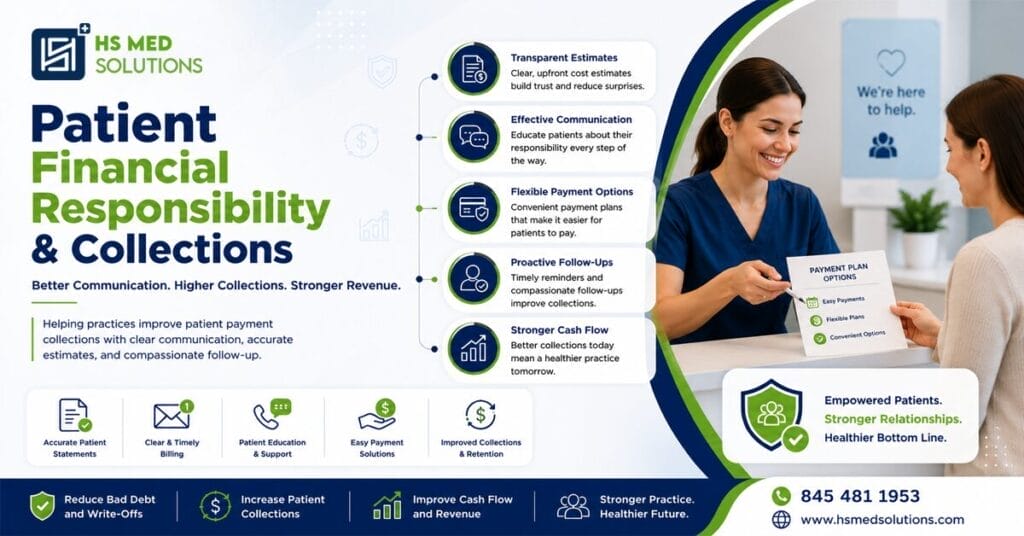
Running a medical practice is hard enough on its own. Add a growing stack of uncollected patient balances, and cash flow becomes a serious problem. The good news? With the right patient collections strategy, most practices can recover significantly more revenue without damaging patient relationships. This guide breaks down what is driving collection challenges today, and exactly what your team can do to fix them. Why Patient Collections Have Become Harder Than Ever A decade ago, most patients had low or zero deductibles. Insurance covered the bulk of the bill. Your front desk collected a small copay, and that was that. That world no longer exists. Today, the average single-coverage deductible has hit $1,886, up 17% in just five years. Out-of-pocket costs continue to rise by roughly 3.2% per year. Patients are responsible for a bigger slice of every bill, and many are not financially prepared to pay it. According to recent data, approximately 36% of US households carry some form of medical debt. About 21% have at least one overdue medical bill. Many patients pay in installments, use credit cards, or stop responding to billing statements altogether. For healthcare providers, this shift in patient financial responsibility creates a real problem. When patients cannot or will not pay, your practice absorbs the loss. Uncollected balances pile up in accounts receivable. Cash flow tightens. Staff time gets wasted chasing payments that may never come. The solution is not to pressure patients or send every unpaid account to a third-party collection agency. The solution is to build a smarter, earlier, and more patient-friendly collections process from the start. The Real Cost of Weak Patient Collections Most practices focus heavily on insurance claims. Denials, appeals, resubmissions, and payer follow-up get attention. Patient balances often get treated as secondary. That is a costly mistake. The cost shows up in several ways: The longer a balance sits unpaid, the harder it becomes to recover. Studies consistently show that collection rates drop sharply once an account reaches 60 days past due. After 90 days, recovery rates fall below 50% for many practices. Front-loading your collection efforts, meaning collecting as much as possible before and at the time of service, is the most effective strategy available. Verify Insurance Before Every Single Visit Every uncollectable patient balance starts somewhere. Often it starts with a surprise, either for the patient or for your practice. Patients do not always know what their insurance covers. They do not track their deductible status. They do not understand coinsurance or out-of-network billing. When they get a larger bill than expected, some pay it. Many do not. Insurance verification done before the appointment changes this dynamic completely. What Solid Insurance Verification Looks Like A proper pre-visit verification process should confirm: When you have this information before the visit, your front desk team can give patients a realistic cost estimate. Patients can plan. Surprises go away. And your team can collect with confidence because the numbers are accurate. Skipping or rushing insurance verification is one of the most expensive habits a medical practice can have. It leads to denied claims, delayed payments, and patient confusion that stalls collections for weeks. Collect More at the Time of Service Time-of-service collections are the single highest-leverage change most practices can make. Collecting before or immediately after the appointment is far more effective than sending a statement two weeks later. The patient is already there. The visit is top of mind. And you avoid the friction of a mailed bill that gets ignored, lost, or disputed. What to Collect at the Visit At a minimum, your front desk should collect: For patients with known deductibles that have not been met, collect an estimate upfront. Collect the full estimated responsibility if possible. If not, set up a payment plan before the patient leaves. Training Your Front Desk Team Many front desk staff feel uncomfortable asking patients for money. This is understandable. However, it is a trained behavior, and it can be changed. Develop a simple, clear script for your team. Practice it. Role-play common scenarios. Make the conversation feel like a natural part of check-in rather than an awkward add-on. A simple approach that works well: “Mrs. Johnson, your insurance shows a $35 copay today, plus you have $200 remaining on your deductible. We can take care of that now, or we can set up a payment plan that works for your budget.” This is not aggressive. It is clear, respectful, and professional. Most patients respond well to direct, honest conversations about cost, especially when they feel like the process is fair. Provide Clear, Accurate Cost Estimates Patients are much more likely to pay when they understand exactly what they owe and why. Medical billing is notoriously confusing. Most patients cannot read an Explanation of Benefits (EOB). Many do not understand the difference between a deductible and a copay. When they receive a statement with multiple line items, obscure billing codes, and an amount that differs from what they expected, confusion quickly turns into avoidance. Clear, upfront cost estimates reduce that friction. Before or at the appointment, give the patient a written estimate that shows: Practices that provide cost estimates consistently report better collection rates. Patients who know what they will owe before they leave are more likely to make a payment or set up a plan before walking out the door. Offer Flexible Patient Payment Plans Some patients genuinely want to pay but cannot afford a large lump sum. Meeting them with flexible options keeps accounts out of collections and maintains the patient relationship. How to Offer Effective Payment Plans Effective payment plans are simple and structured. They should include: For balances under $500, a two to three-month plan is usually sufficient. For larger balances, plans up to twelve months are common. Some practices use zero-interest financing options for high balances, where the practice receives payment immediately from a third party, and the patient pays the third party over time. The key is to never let a patient